This article was last updated on:
If you’re learning how to build audience trust for affiliate marketing, you’re focusing on the most important factor that determines long-term success.
Affiliate marketing is not just about sharing links. It is about earning trust. When your audience trusts your recommendations, they are far more likely to click your links, take action, and return to your content in the future.
In this guide, you’ll learn practical ways to build audience trust for affiliate marketing, even if you’re just starting out.

Why Trust Is Critical in Affiliate Marketing
Trust is the foundation of affiliate marketing. Without trust, people are less likely to believe your recommendations or act on them. With trust, your content becomes more valuable because your audience sees you as a reliable source of information.
When trust is strong:
- Your recommendations feel more credible
- Your audience returns for future content
- Your conversions improve naturally over time
The goal is not just to promote products. The goal is to become a trusted guide in your niche.
How to Build Audience Trust for Affiliate Marketing
Step 1: Choose a Clear Niche
The first step in learning how to build audience trust for affiliate marketing is choosing a clear niche.
When you consistently create content around one topic, your audience starts to associate you with that area of expertise. This makes your recommendations feel more relevant and believable.
Examples of strong niches include:
- Tech tools and gadgets
- Beauty and skincare
- Travel and lifestyle
- Online learning and productivity
A focused niche helps you attract the right audience and makes it easier to build authority over time.
Step 2: Be Honest and Transparent
Honesty is one of the fastest ways to build trust.
Instead of only highlighting positives, also mention:
- Limitations of the product
- Who the product may not be suitable for
- Situations where another option may be better
You should also clearly disclose that you use affiliate links. Transparency shows your audience that you value honesty and are not trying to hide the commercial side of your content.
Step 3: Promote Products You Truly Understand
Avoid recommending products you know nothing about. Instead, focus on products you have used, researched deeply, or genuinely understand.
Before promoting a product, ask yourself:
- Do I understand how it works?
- Do I know who it is best for?
- Can I explain both the strengths and the weaknesses?
When your content reflects real understanding, your recommendations feel more authentic and useful.
Step 4: Focus on Helping, Not Selling
One of the biggest mistakes beginners make is creating content that feels too sales-focused.
Instead of pushing products, focus on:
- Solving problems
- Answering common questions
- Giving useful advice
Good trust-building content often comes in formats such as:
- Tutorial posts
- Comparison articles
- Honest product reviews
- Problem-solving guides
When readers feel helped, they are more likely to trust your suggestions.

Step 5: Stay Consistent with Your Content
Trust is built over time through consistency. Posting regularly shows your audience that you are active, reliable, and committed.
Consistency helps because:
- Your audience becomes familiar with your style
- Your recommendations feel more dependable
- You build stronger recognition within your niche
You do not need to post every day, but you do need to show up consistently enough that people know what to expect from you.
Read: How to Write a Clear Profile Bio for Affiliate Marketing
Step 6: Engage with Your Audience
Trust grows when people feel that you are listening.
Ways to engage include:
- Replying to comments
- Answering questions
- Responding to concerns
- Asking your audience for feedback
Engagement shows that you care about helping people, not just making commissions. This strengthens the relationship between you and your audience.
Step 7: Use Social Proof
Social proof helps support trust because people often feel more confident when they see evidence that others have had a good experience.
Examples of social proof include:
- User reviews and testimonials
- Real-life demonstrations
- Case studies or examples
- Visible results from using the product
When readers see that a recommendation is supported by real experiences, your content becomes more persuasive without needing to sound overly promotional.
Step 8: Avoid Promoting Too Many Products
Promoting too many random products can weaken trust. If your content feels scattered, your audience may find it harder to understand what you truly stand for.
Instead:
- Stick to products within your niche
- Recommend a smaller number of useful products
- Be selective about what you promote
Careful recommendations feel more intentional and trustworthy than constant promotion.
Step 9: Provide Clear and Helpful Recommendations
Good recommendations should be easy to understand. Tell your audience:
- Why the product is useful
- Who it is best for
- When it makes sense to use it
This kind of clarity helps readers feel more confident in making a decision. It also makes your content more useful than generic praise or vague endorsements.
Step 10: Track and Improve Your Strategy
Building trust also means understanding what type of content resonates most with your audience.
By monitoring performance data, you can see which content earns the most clicks and conversions. This helps you identify the topics and recommendations that your audience responds to best.
As you refine your content strategy, you can become more relevant, more helpful, and more trusted over time.
Common Mistakes That Break Trust
If you want to build long-term credibility, avoid these mistakes:
- Promoting products you do not understand
- Making exaggerated claims
- Hiding affiliate disclosures
- Posting inconsistent or low-quality content
- Focusing only on sales instead of value
Trust is easy to lose and takes time to build, so consistency and honesty matter.

Conclusion
Learning how to build audience trust for affiliate marketing is essential if you want sustainable success.
Affiliate marketing is not about quick wins. It is about building relationships with people who value your opinion and trust your recommendations. When your audience trusts you, they are more likely to return to your content, act on your suggestions, and see you as a reliable source in your niche.
The most effective way to build trust is simple: be helpful, be honest, and be consistent.
Ready to Build Trust and Start Earning?
If you’re ready to turn trusted content into affiliate income:
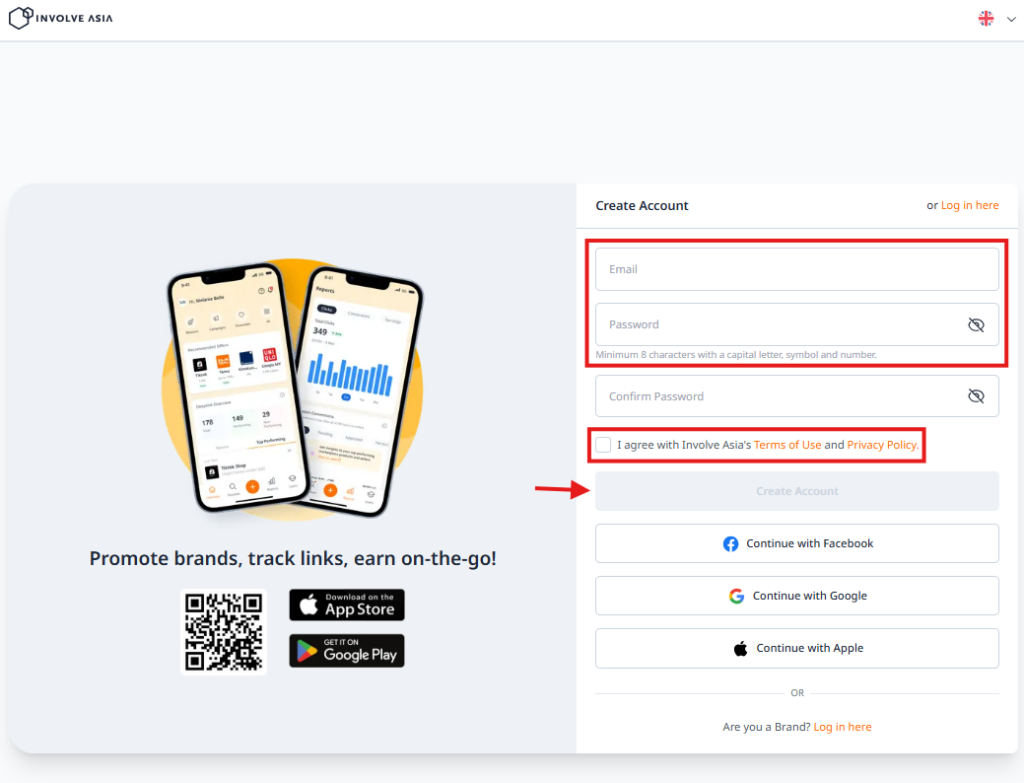
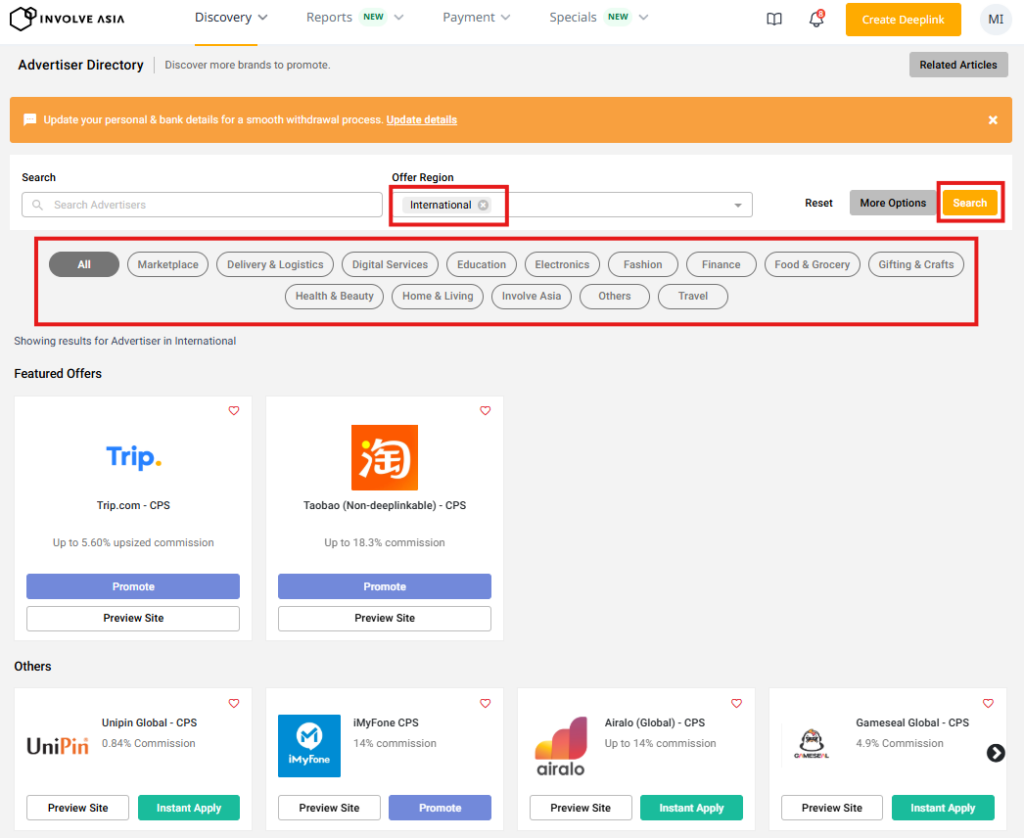
Click the Sign Up button below to register as a publisher on Involve Asia, explore available affiliate programs, generate your tracking links, and start recommending products that truly help your audience.
Trust is your most valuable asset. Start building it today.
About the Author

Frequently Asked Questions (FAQs)
Why is trust important in affiliate marketing?
Trust is essential in affiliate marketing because it directly affects whether your audience takes action on your recommendations. When people trust your content, they are more likely to click your affiliate links, consider your suggestions, and make purchases. Without trust, even high-quality products may not convert well because users feel uncertain. Building trust helps you create long-term relationships with your audience, which leads to repeat engagement and more consistent affiliate income over time.
How can beginners build trust in affiliate marketing?
Beginners can build trust in affiliate marketing by focusing on providing helpful and honest content. Start by choosing a clear niche and consistently creating content that solves problems or answers questions. Avoid promoting too many random products and instead focus on recommendations that are relevant to your audience. Being transparent about affiliate links and sharing both pros and cons of products also helps build credibility. Over time, consistency and authenticity will help establish trust with your audience.
What type of content helps build audience trust?
Content that provides real value is the most effective for building audience trust. This includes tutorials, product reviews, comparison articles, and problem-solving guides. These types of content help readers understand how a product works and whether it is suitable for their needs. Educational and informative content tends to perform better than purely promotional content because it focuses on helping rather than selling. When your audience feels supported, they are more likely to trust your recommendations.
Should you disclose affiliate links to your audience?
You should always disclose affiliate links to your audience. Transparency is a key factor in building trust and maintaining credibility. When you clearly inform your audience that you may earn a commission from certain links, it shows honesty and professionalism. Many audiences appreciate this openness and are still willing to support your recommendations if they find your content helpful. Hiding affiliate relationships can damage trust and negatively impact your long-term success.
How long does it take to build trust in affiliate marketing?
Building trust in affiliate marketing takes time and consistent effort. It does not happen overnight. You need to regularly publish helpful content, engage with your audience, and provide honest recommendations. Over time, as your audience becomes familiar with your content and sees the value you provide, trust will naturally grow. The more consistent and authentic you are, the stronger your relationship with your audience becomes, which can lead to better engagement and higher conversions in the long run.