
If you’re learning how to add affiliate links naturally in your content, you’re focusing on a key skill that directly affects trust, engagement, and conversions.
Affiliate marketing is not just about placing links. It is about integrating them in a way that feels helpful, relevant, and natural to the reader. When done well, your affiliate links become part of the solution instead of feeling like advertisements.
In this guide, you’ll learn how to add affiliate links naturally in your content and why this approach matters for long-term affiliate success.

Why Natural Link Placement Matters
Readers can quickly tell when affiliate links are forced into content. When links feel unnatural, trust drops, and people are less likely to take action.
Natural link placement matters because it:
- Improves the reading experience
- Makes your recommendations feel more authentic
- Guides readers toward useful solutions
- Can improve conversion rates over time
The goal is to make your affiliate links feel like helpful recommendations rather than sales tactics.
How to Add Affiliate Links Naturally in Your Content
Step 1: Focus on Value First
The first rule of learning how to add affiliate links naturally in your content is to focus on value before promotion.
Before adding any affiliate link, ask:
- Does this content solve a real problem?
- Is the product relevant to the reader’s needs?
- Would this recommendation still make sense without the commission?
Your content should still be useful even if there are no affiliate links in it. When the value comes first, the links feel like a natural extension of the solution.
Step 2: Place Links Where They Make Sense
Affiliate links should appear at the point where the reader actually needs them.
Natural placements include:
- When introducing a product
- After explaining a benefit
- Inside a tutorial guide step where the tool is needed
- In a comparison post section, after describing the options
- At the moment of recommendation
For example, in a tutorial, it makes more sense to add the affiliate link when you mention the tool required for the task – not randomly in the middle of unrelated paragraphs.
Step 3: Use Contextual Recommendations
Instead of dropping affiliate links without explanation, build context around them.
A natural example might be:
Using a video editing app can make this process much easier. This tool is beginner-friendly and works well for quick edits.
Then you add the affiliate link after that explanation.
This works better because it:
- Explains the product’s value
- Builds audience trust
- Makes the recommendation feel relevant
Step 4: Avoid Overloading Your Content with Links
Too many affiliate links can overwhelm readers and make your content feel overly promotional.
Instead:
- Focus on a few relevant products
- Prioritise quality over quantity
- Keep the article clean and readable
One well-placed link that supports the content is often more effective than several links added without a clear purpose.

Step 5: Use Clear and Honest Language
When recommending affiliate products, use language that is clear and realistic.
Explain:
- What the product does
- Who it is best for
- Why it may be useful
Avoid exaggerated claims. Honest and straightforward recommendations build more trust than aggressive sales language.
Step 6: Match Link Placement to the Content Type
Different content formats require different affiliate link strategies.
- For blog posts:
- Add links within product explanations, recommendations, or summary sections.
- For tutorial content:
- Place links when introducing the tool needed for each step.
- For comparison articles:
- Add links after explaining the differences between options.
- For video content:
- Include links in the description, bio, or link-in-bio page.
Matching the link strategy to the content type helps improve user experience and keeps the content feeling natural.
Read: How to Write Your Bio for Affiliate Marketing
Step 7: Use Call-to-Actions Naturally
Call-to-actions should guide the reader without sounding pushy.
Examples of natural calls-to-action include:
- You can explore this option here
- Check out this tool if you want a simpler solution
- This is a useful option for beginners
These phrases feel more helpful and aligned with the reader’s needs than aggressive language.
Why You Should Join Involve Asia
To add affiliate links naturally, you first need access to products and brands that actually fit your content.
Involve Asia helps publishers manage this process by allowing them to:
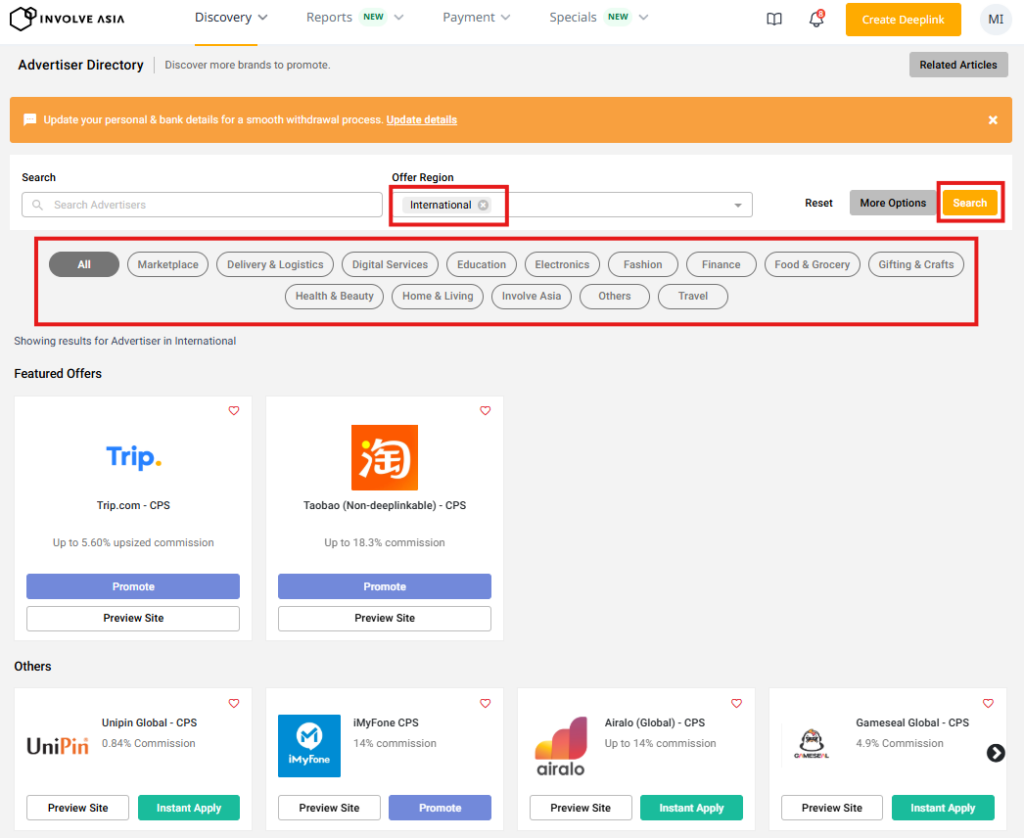
- Discover affiliate programs across multiple categories
- Generate tracking links for relevant brands
- Manage affiliate campaigns in one dashboard
- Track clicks and conversions more easily
For content creators, bloggers, and publishers, this makes it easier to choose relevant products and integrate them naturally into tutorials, reviews, listicles, and other content formats.
Instead of managing multiple affiliate accounts separately, you can centralise your affiliate workflow and focus more on creating content that feels helpful to your audience.
Common Mistakes to Avoid
When learning how to add affiliate links naturally in your content, avoid these common mistakes:
- Adding affiliate links without explaining why the product matters
- Overloading the content with too many links
- Writing overly promotional copy
- Recommending irrelevant products
- Ignoring the user experience
Natural integration always performs better than forced promotion.

Conclusion
Learning how to add affiliate links naturally in your content is essential for building trust and improving conversions.
The key is simple:
- Focus on helping your audience
- Recommend products that solve real problems
- Place links where they feel relevant and useful
When your content is valuable, and your recommendations are genuinely helpful, affiliate links become a natural part of the reader’s journey rather than an interruption.
Ready to Start Affiliate Marketing?
If you’re ready to monetise your content more effectively:
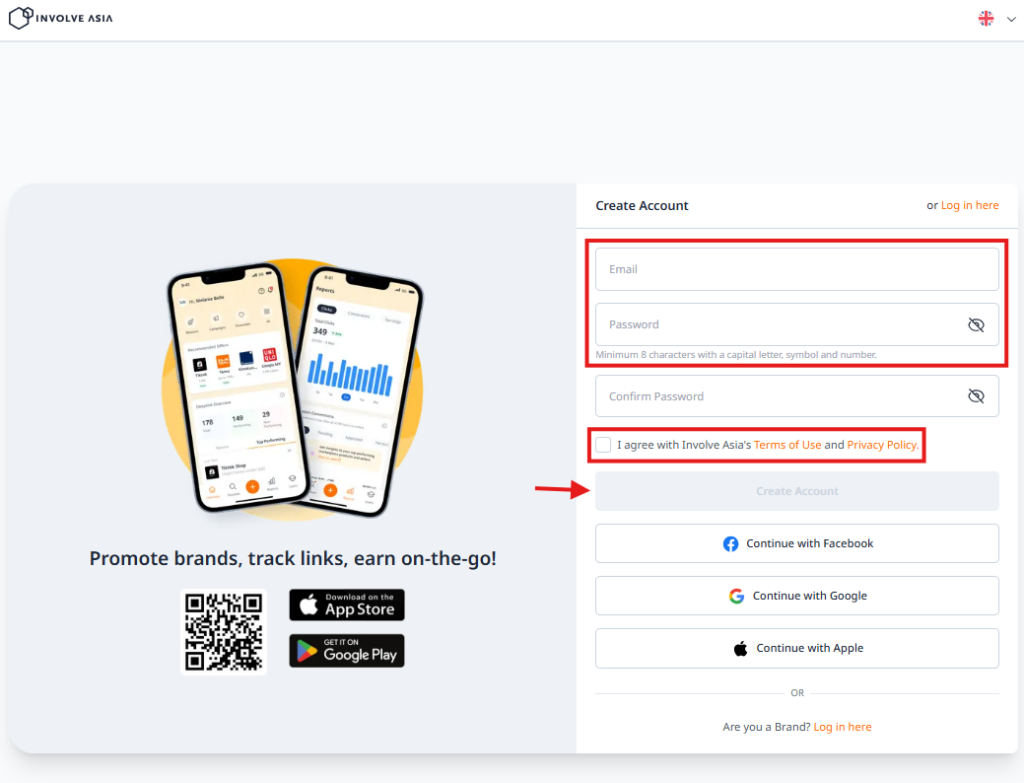
Click the Sign Up button below to register as a publisher on Involve Asia, explore affiliate programs, generate your tracking links, and start integrating affiliate recommendations more naturally into your content.
The right strategy can turn helpful content into long-term affiliate income.
Frequently Asked Questions (FAQs)
What does it mean to add affiliate links naturally in content?
Adding affiliate links naturally means placing them in a way that feels helpful and relevant to the reader rather than forced or overly promotional. Instead of randomly inserting links, you introduce them where they support the content, such as when recommending a product or explaining a solution. This approach improves user experience and builds trust because readers see the link as part of the information they need, not as a sales tactic.
Where should you place affiliate links in your content?
Affiliate links should be placed where they make the most sense within your content. Common placements include after explaining a product’s benefits, within tutorial steps, in comparison sections, or at the point of recommendation. The key is to ensure the link appears exactly when the reader is most likely to need it. Strategic placement improves click-through rates because readers are already interested in the solution being presented.
How many affiliate links should you include in one article?
There is no fixed number, but it is best to include only a few relevant affiliate links rather than many unnecessary ones. Too many links can make your content feel cluttered and overly promotional, which may reduce trust and engagement. Instead, focus on quality over quantity by recommending products that genuinely help your audience. A small number of well-placed links often performs better than multiple links with little context.
Why is natural affiliate link placement important for conversions?
Natural affiliate link placement is important because it directly affects how readers perceive your content. When links are placed thoughtfully and supported by useful information, readers are more likely to trust your recommendations. This trust increases the chances that they will click your links and complete a purchase. On the other hand, forced or excessive link placement can make content feel spammy, reducing both engagement and conversion rates.
Can beginners learn how to add affiliate links naturally?
Beginners can learn how to add affiliate links naturally by focusing on creating helpful content first. Start by understanding your audience’s needs and writing content that solves their problems. Then, introduce relevant products as part of the solution. Over time, you will develop a better sense of where and how to place links effectively. Consistency, practice, and focusing on value will help beginners improve their affiliate content strategy.