
If you want to succeed in the affiliate world, one of the most important skills you need to learn is how to write content for affiliate marketing.
Good affiliate content does more than just promoting products. It helps readers solve problems, compare options, and make informed decisions. When done correctly, helpful content helps you build trust with your audience while naturally encouraging them to click your affiliate links.
In this guide, you’ll learn how to write affiliate content that attracts readers, builds credibility, and drives conversions. We’ll also explain how platforms like Involve Asia can help affiliate marketers access multiple brands’ affiliate programs in one place.

What Is Affiliate Marketing Content?
Affiliate marketing content refers to blog posts, articles, videos, or social media posts that recommend products or services using affiliate links.
When someone clicks your affiliate link and makes a purchase, you earn a commission.
Common types of affiliate marketing content include:
- Product reviews
- Comparison posts
- “Best of” lists
- Tutorials and guides
- Problem-solving articles
These formats work well because they help readers who are already searching online for solutions.
Step 1: Choose a Clear Content Goal
Before writing your article, ask yourself one key question: “What decision is the reader trying to make?“
Affiliate content works best when it guides readers toward a specific decision. For example:
- Choosing between two products
- Finding the best product in a category
- Learning how a tool works
The clearer your goal is, the easier it becomes to create useful content that converts into sales.
Step 2: Target High-Intent Keywords
Successful affiliate content usually targets keywords that show purchase intent.
Examples include:
- “Best VPN for beginners”
- “Shopee vs Lazada comparison”
- “Best luggage for travel”
- “Is this course worth it?”
People searching these keywords are often close to making a purchase decision. Writing content around these topics helps attract readers who are ready to take action – not just blindly scrolling online.
Step 3: Focus on Helping, Not Selling
A common mistake beginners make is writing content that sounds overly promotional.
Instead, you should focus on helping your reader with genuine insights. Your article should:
- Explain how the product works
- Highlight both benefits and limitations
- Compare it with alternatives
- Show real use cases
Helpful and honest content builds trust, which ultimately improves conversion rates.

Step 4: Structure Your Article Clearly
Well-structured articles are generally easier to read and perform better for SEO – better chances of being found on the net!
A typical affiliate content structure might include:
- Introduction
- Explain the problem and what the reader will learn.
- Product Overview
- Introduce the product or service.
- Benefits and Key Features
- Highlight why the product is useful.
- Comparison or Alternatives
- Help readers evaluate their options.
- Conclusion and Recommendation
- Guide readers toward a final decision.
Clear structure improves both readability and search visibility.
Step 5: Use Affiliate Links Naturally
Affiliate links should also be integrated naturally within the content and not added everywhere possible.
Good placement areas include:
- After explaining a product feature
- Within comparison sections
- Inside call-to-action buttons
- Near the conclusion of your article
Avoid adding too many links. Focus on delivering value first and guiding readers when it makes sense.
Step 6: Promote Products Through an Affiliate Network
Managing multiple affiliate programs individually can be time-consuming. Unless you’re only focusing on promoting a single brand, many publishers simplify their everyday process by joining an affiliate network.
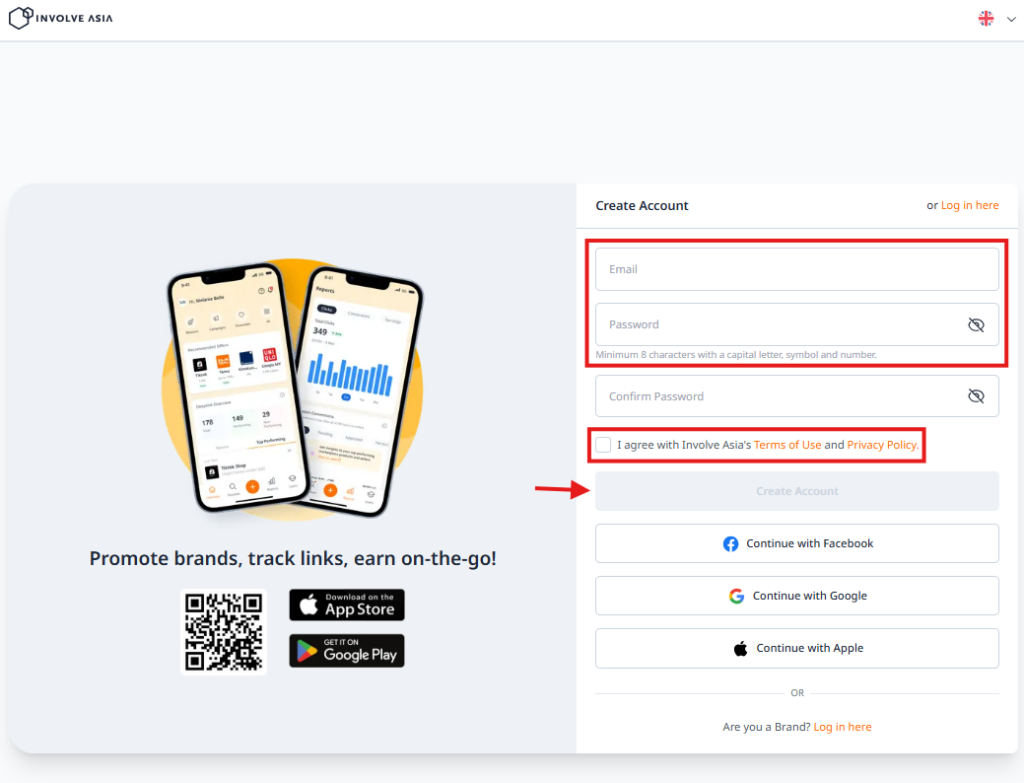
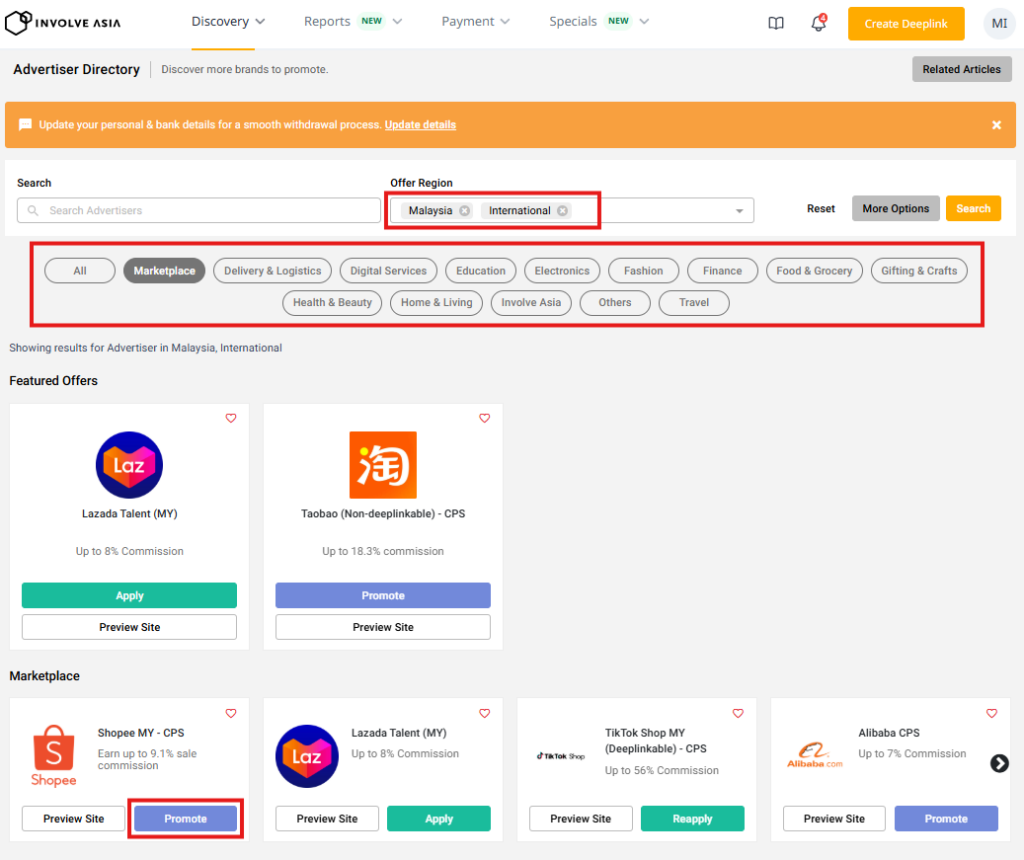
Involve Asia is an affiliate marketing platform that connects publishers with hundreds of brands across categories such as:
Once you join as a publisher, you can browse available programs, apply to brands, generate tracking links, and monitor your performance all in one dashboard.
Step 7: Optimise Your Content for SEO
To attract consistent traffic, affiliate content should be optimised for search engines.
Important SEO practices include:
- Using your main keyword in the title
- Adding descriptive headings (H2, H3)
- Writing clear meta descriptions
- Answering common questions
- Providing detailed, helpful information
SEO allows your affiliate content to generate traffic long after it has been published.
Common Mistakes to Avoid
- Writing overly promotional content
- Ignoring reader intent
- Choosing products without proper research
- Publishing thin or low-value articles
- Neglecting SEO optimization
Affiliate content performs best when it prioritises usefulness and trust.

Conclusion
Learning how to write content for affiliate marketing is one of the most important skills for building sustainable affiliate income.
Instead of focusing only on affiliate links, focus on helping readers make better decisions. When your content is informative, trustworthy, and well-structured, readers are far more likely to follow your recommendations.
Platforms like Involve Asia make it easier to access multiple affiliate programs, generate tracking links, and manage partnerships in one place – allowing you to focus on creating valuable content.
Ready to Start Affiliate Marketing?
If you’re ready to turn your content into a revenue stream, the first step is joining an affiliate network.
Click the button below to register as a publisher on Involve Asia, explore available affiliate programs, generate your tracking links, and start writing content that converts.
Frequently Asked Questions (FAQs)
What type of content works best for affiliate marketing?
The best content for affiliate marketing is content that helps readers make a decision. This includes product reviews, comparison articles, “best of” lists, tutorials, and problem-solving guides. These formats work well because readers are usually searching for information before purchasing a product or service. When you explain benefits, compare options, and provide clear recommendations, your audience is more likely to trust your content and click your affiliate links. Consistently publishing helpful, well-researched content is key to building long-term affiliate marketing success.
How do beginners start writing affiliate marketing content?
Beginners can start writing affiliate marketing content by choosing a niche, researching high-intent keywords, and creating helpful articles that answer common questions. Instead of focusing only on promoting products, the goal should be to educate readers and guide them toward better decisions. For example, writing comparison posts, product reviews, or “best tools for beginners” guides can attract readers who are already searching for solutions. Platforms like Involve Asia make it easier for beginners to access multiple affiliate programs and generate tracking links for their content.
Do I need a website to write affiliate marketing content?
No, you don’t always need a website to start writing affiliate marketing content. While blogs are one of the most effective long-term strategies, affiliate content can also be published on platforms like Medium, LinkedIn, or even social media captions and video descriptions. However, having your own website provides more control over your content and allows you to build long-term search traffic through SEO. Many affiliate marketers eventually create blogs where they publish reviews, comparisons, and guides to promote products more effectively.
How do affiliate links work in affiliate marketing content?
Affiliate links are unique tracking links that identify the publisher who referred a customer to a brand. When a reader clicks your affiliate link and completes a purchase or action, the system records the referral, and you earn a commission. Affiliate networks such as Involve Asia simplify this process by providing publishers with a dashboard where they can generate tracking links, apply to different affiliate programs, and monitor clicks and conversions. These links are usually placed naturally within helpful content such as product recommendations or comparison articles.
How can I improve conversions from affiliate marketing content?
Improving conversions from affiliate marketing content starts with understanding your audience’s needs and creating content that directly addresses their problems. Articles that include detailed explanations, honest pros and cons, comparison tables, and real use cases tend to perform better. Clear calls-to-action and well-placed affiliate links can also help guide readers toward the next step. Additionally, focusing on high-intent keywords and optimising your content for SEO can bring targeted traffic that is more likely to convert into affiliate commissions.