
If you’re learning how to write comparison posts for affiliate marketing, you’re already on the right track. Comparison posts are one of the highest-converting content formats in affiliate marketing because they attract readers who are close to making a decision.
When combined with a reliable affiliate network like Involve Asia, comparison posts can become a scalable strategy – because you can promote multiple brands in one article, track performance, and optimize based on real data.
In this guide, you’ll learn exactly how to structure, write, and optimize comparison posts that convert.

Why Comparison Posts Convert So Well
Comparison posts work because they target high-intent search traffic. When someone searches:
- “Brand A vs Brand B”
- “Which is better?”
- “Best option for beginners?”
- “Best alternative to X”
They’re not casually browsing, they’re deciding. Your job is to make that decision easier and clearer.
How to Write Comparison Posts for Affiliate Marketing
Step 1: Choose the Right Products to Compare
The first step in learning how to write comparison posts for affiliate marketing is choosing products that readers actually compare.
What to look for:
- Products in the same category
- Similar use cases (solving the same problem)
- Popular brands people already search for
- Affiliate programs available on Involve Asia
Examples of comparison pairs: travel booking platforms, skincare brands, VPN services, creator tools, or shopping platforms.
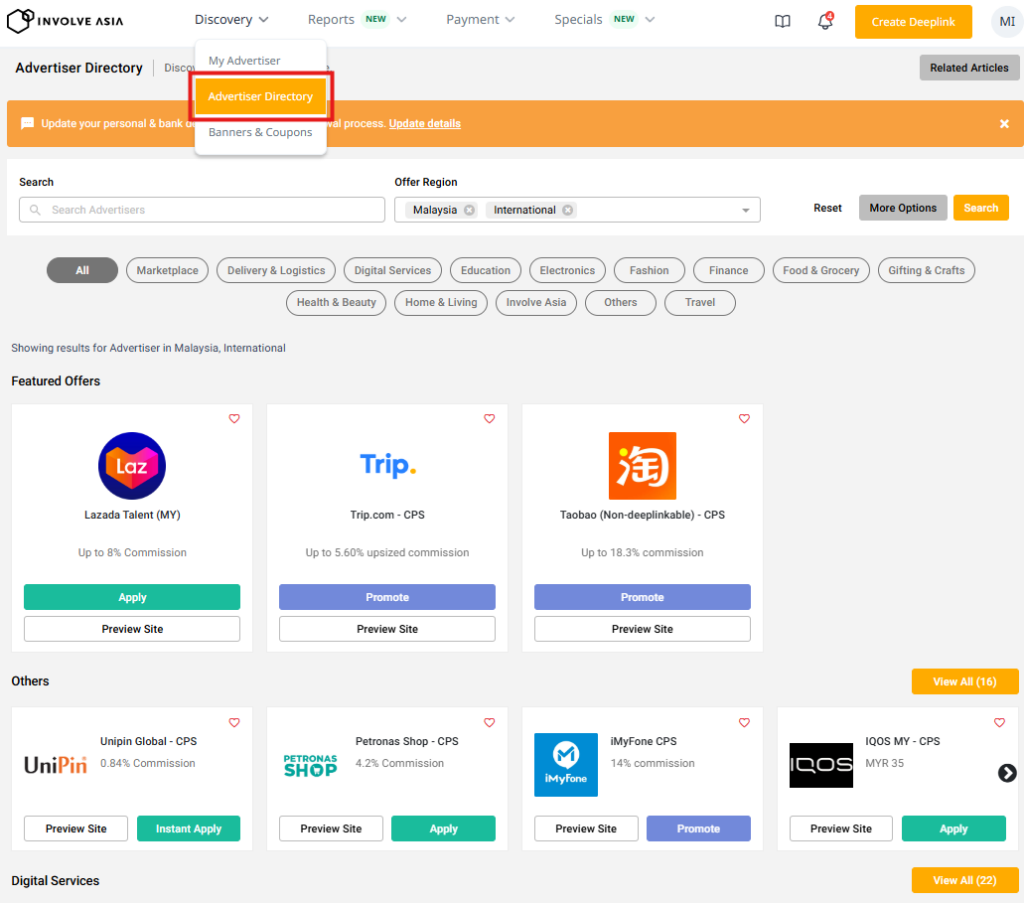
Tip: In Involve Asia, browse the advertiser directory to find brands within the same niche that you can compare in one post.
Step 2: Target High-Intent Keywords
Comparison posts should be built around keywords that signal strong intent. These usually include:
- “Brand A vs Brand B”
- “Which is better: X or Y?”
- “Best alternative to X”
- “X vs Y for beginners”
Use your main keyword in the most important places:
- Title
- Intro paragraph
- At least one heading
- Conclusion
This helps search engines understand your topic and improves your chances of ranking.
Step 3: Use a Clear, Structured Format
A strong structure makes your content easier to read and easier to convert. Here’s a proven format you can follow:
1) Quick Summary (For Skimmers)
Start with a short summary explaining:
- Who each option is best for
- The biggest differences
- When to choose one over the other
Example:
Choose Brand A if you want simplicity and speed.
Choose Brand B if you want more advanced features and flexibility.
2) Side-by-Side Comparison Table
A table improves readability and helps readers compare quickly. You can include:
- Best for
- Ease of use
- Key strengths
- Limitations
- Overall fit
Tip: Keep it simple. You don’t need too many rows, just the factors your audience cares about.

3) Detailed Breakdown (Brand A vs Brand B)
Create separate sections for each brand:
- Brand A overview: key strengths, best use cases, who it’s ideal for
- Brand B overview: key strengths, best use cases, who it’s ideal for
Avoid sounding biased. Honest content builds trust and trust drives conversions.
4) Pros and Cons
Add pros and cons for each brand. This improves credibility and helps readers decide faster.
Step 4: Add Affiliate Links the Right Way
When writing comparison posts for affiliate marketing, link placement matters. You want links where readers are most likely to take action.
Best link placements:
- In the quick summary section
- After each product overview
- Near “who it’s best for” sections
- In the final verdict section
How to do it with Involve Asia:
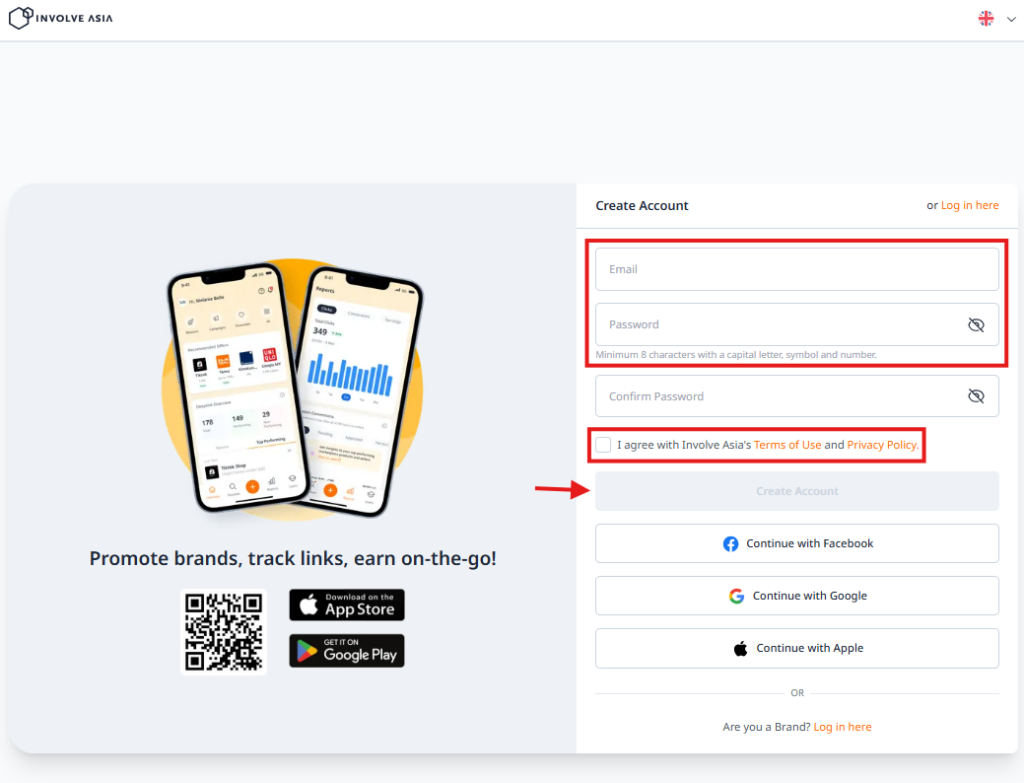
- Create a publisher account on Involve Asia to get started
- Apply to both brands inside Involve Asia
- Generate tracking links from your dashboard
- Insert links naturally in your article
- Track clicks and conversions to see what works
Important: Don’t overstuff links. Focus on flow and clarity.
Step 5: Write a Strong “Who Should Choose What” Section
This section often drives the final decision. Make it crystal clear.
Example structure:
- Choose Brand A if you’re a beginner and want something simple
- Choose Brand B if you want more customization and features
- Choose Brand A if speed matters most
- Choose Brand B if you’re comparing multiple options
The clearer you are, the more likely readers will click.
Step 6: End with a Clear Call-to-Action
Don’t end your post with a vague conclusion. Tell the reader what to do next.
CTA example:
Both options have strengths. If you prefer simplicity, Brand A is a great pick. If you want more flexibility, Brand B may be a better fit. Click below to explore the option that matches your needs.
Why Use Involve Asia for Comparison Content?
Comparison posts often feature multiple brands in one article, so tracking matters. Involve Asia makes it easier because:
- You can access multiple advertisers in one platform
- You can generate tracking links quickly
- You can track which brand converts better
- You can improve future posts using real performance data
Instead of managing separate affiliate accounts, you can manage everything from one dashboard.
Common Mistakes to Avoid
- Being overly biased and losing trust
- Copying product descriptions instead of adding value
- Not explaining who each option is best for
- Writing vague comparisons with no clear verdict
- Skipping a quick summary for skimmers

Conclusion
If you want to master how to write comparison posts for affiliate marketing, focus on one thing: make decisions easier for readers. Choose the right products, structure your post clearly, stay honest, and place your affiliate links where they naturally support the reader’s next step.
Ready to monetize comparison content? Click the button below to join Involve Asia and start building high-converting affiliate posts today.
Frequently Asked Questions (FAQs)
What is a comparison post in affiliate marketing?
A comparison post in affiliate marketing is a content format where you compare two or more products, services, or brands to help readers make a buying decision. These posts usually target keywords like “Brand A vs Brand B” or “Which is better?” Because readers searching for comparisons are often close to purchasing, this type of content converts well. By using an affiliate network like Involve Asia, you can include tracked links for each brand and earn commissions when readers choose one through your recommendations.
Why are comparison posts effective for affiliate marketing?
Comparison posts are effective because they target high-intent search traffic. When users search for comparisons, they are already evaluating options and preparing to decide. Instead of convincing them to buy something new, you are helping them choose between products they already know about. This shortens the decision process and increases conversion rates. With platforms like Involve Asia, you can track which product in your comparison performs better and optimize future posts based on real performance data.
How do I choose products for a comparison affiliate post?
To choose products for a comparison affiliate post, select items in the same category that solve similar problems for the same audience. Look for brands that are popular and frequently searched together. It’s also helpful if both brands are available on your affiliate platform, such as Involve Asia, so you can monetize both sides of the comparison. Focus on relevance, demand, and audience interest rather than randomly pairing products that don’t naturally compete.
Where should I place affiliate links in a comparison post?
Affiliate links should be placed strategically in a comparison post to maximize conversions without overwhelming readers. Good placement includes the summary section, after each product overview, within comparison tables, and in the final verdict section. The key is to insert links where readers are most likely to take action. When using Involve Asia, you can generate tracking links for both products and monitor which placements drive the most clicks and conversions over time.
Can beginners write comparison posts for affiliate marketing?
Beginners can absolutely write comparison posts for affiliate marketing. You don’t need to be an expert, you just need to research thoroughly and present information clearly. Start by identifying what matters most to your audience, such as ease of use, pricing, or features. Structure your post with a summary, comparison table, and clear verdict. With a beginner-friendly affiliate platform like Involve Asia, you can easily apply to programs, generate links, and start monetizing your content while improving your writing skills.